Iron is the most common well water complaint in America — orange-stained tubs, metallic coffee, laundry that comes out worse than it went in. The good news: it's an aesthetic problem, not a health emergency. The bad news: the treatment industry knows you're annoyed, and iron is where mis-sold equipment thrives. The fix depends entirely on which of the three iron types you have — here's how to tell, and what each one costs to solve.
The 60-second diagnosis: which iron do you have?
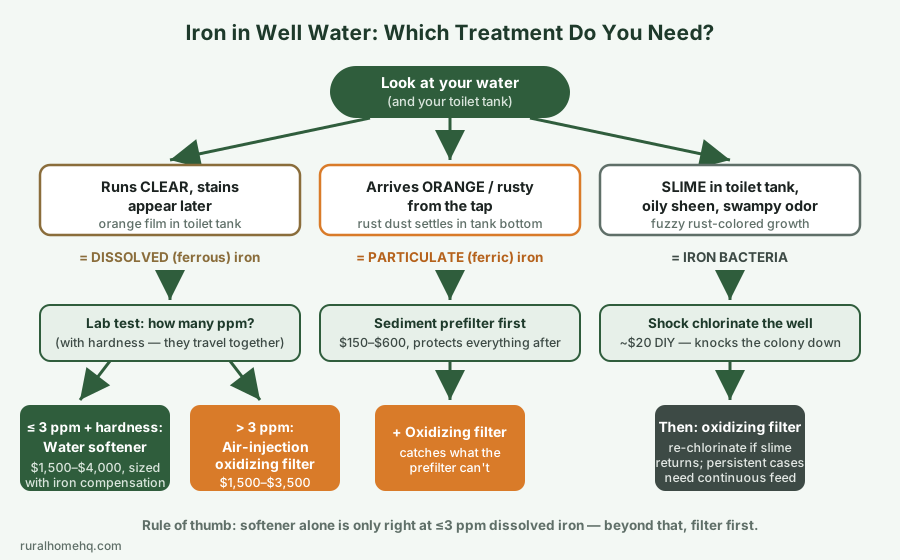
| What you see | Type | The fix |
|---|---|---|
| Water runs clear, stains appear later | Dissolved (ferrous) iron | Softener (≤1–3 ppm) or oxidizing filter |
| Water arrives orange/rusty from the tap | Particulate (ferric) iron | Sediment filtration + oxidizing filter |
| Slime in toilet tanks, oily sheen, swampy odor | Iron bacteria | Shock chlorination, then oxidizing filter |
Iron bacteria in the toilet tank: what the slime means
Slimy, rust-colored gunk clinging to your toilet tank walls is almost certainly iron bacteria — organisms that feed on dissolved iron and build orange biofilm. They're not a direct health threat, but they clog pumps and screens, cause odors, and worsen staining. Treatment is shock chlorination first, then an oxidizing filter; heavy infestations need periodic re-chlorination.
In fact, the toilet tank is the household's iron logbook. Rust dust on the bottom = particulate iron. Orange film on surfaces = dissolved iron oxidizing. Fuzzy slime on the walls = iron bacteria. Then confirm with a lab test ($20–$60 including manganese, iron's staining partner) — treatment sizing needs the actual number, not the toilet-tank vibe.
Treatment options and 2026 costs
- Air-injection oxidizing filter ($1,500–$3,500 installed): today's standard for real iron problems. Injects air to oxidize dissolved iron, catches the particles in media, backwashes them away. Handles 5–10+ ppm, no chemicals, minimal upkeep. This is the answer for most iron-heavy wells.
- Water softener (≤1–3 ppm dissolved only): legitimate for light iron alongside hardness — size it with iron compensation and accept shorter resin life. Wrong tool beyond 3 ppm no matter what the showroom says.
- Sediment prefilter ($150–$600): catches particulate iron and protects everything downstream — a component, not a complete solution. See the correct equipment order.
- Shock chlorination ($20 DIY): the first move against iron bacteria — full procedure here — followed by filtration, and repeated when slime returns.
- Stain cleanup: oxalic acid or citric-based rust removers beat chlorine bleach, which actually sets iron stains. Fix the water first or you're repainting the same fence.
When iron appears suddenly
A well that ran clear for years and turns orange overnight is telling you something: a dropping water table pulling from a different zone, a corroding component or failing pump stirring sediment, or casing damage letting surface water in. Sudden change means test now — including bacteria — rather than just filtering the symptom.
Frequently Asked Questions
Is iron in well water dangerous to drink?
At typical well concentrations, no — iron is a secondary (aesthetic) contaminant, not a health threat. The damage is to your house and wallet: orange staining, metallic taste, clogged fixtures, ruined laundry, and shortened appliance life. The exception is iron bacteria slime, which can harbor other problems and deserves treatment.
Why does my well water stain everything orange?
Dissolved (ferrous) iron oxidizes when it meets air — turning into the same rust-orange particles that stain tubs, toilets, and laundry. Even 0.3 ppm (the EPA aesthetic limit) stains over time; many wells run 1–10 ppm. The stain pattern is diagnostic: stains from initially-clear water mean dissolved iron; water arriving already orange means particulate iron.
Will a water softener remove iron from well water?
Only modest dissolved iron — roughly 1–3 ppm depending on the unit, and at the cost of fouling the resin over time. Above that, or with any particulate iron or iron bacteria, you need a dedicated iron filter ahead of the softener. Softener-only setups on iron-heavy wells are the most common mis-sold configuration we see.
What is the slimy orange gunk in my toilet tank?
Almost certainly iron bacteria — organisms that feed on dissolved iron and build rust-colored slime. They're not a direct health threat but they clog pumps and screens, cause odors, and worsen staining. Treatment is shock chlorination to knock them down, then an oxidizing filter; heavy infestations need periodic re-chlorination.